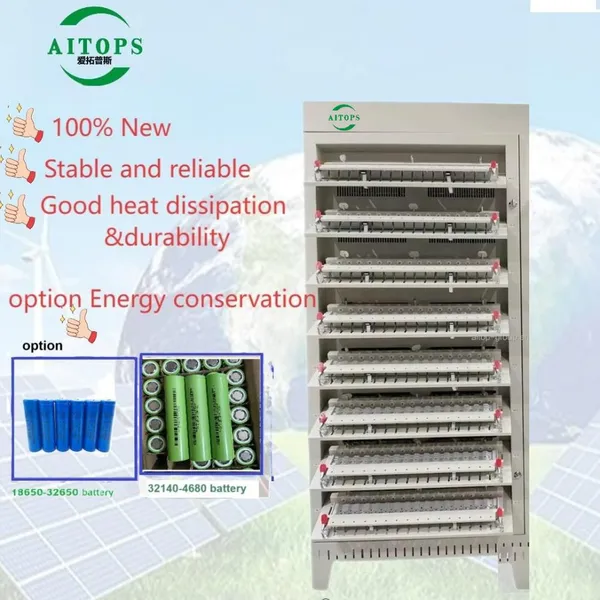
 Business License
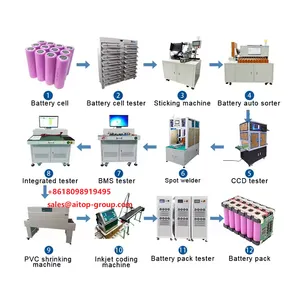
Why need Regenerative Battery Pack Testing tester System
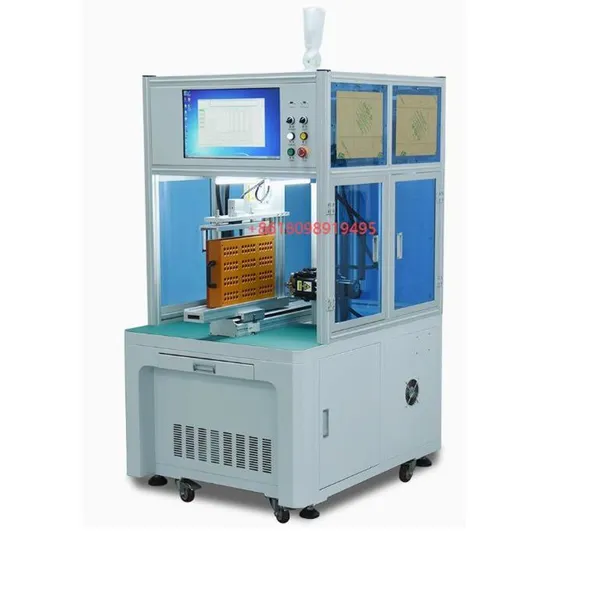
100V 100A Regenerative Battery Pack Test System
This high-precision test system is engineered for cyclic life testing and quality validation of lithium-ion, lead-acid, Ni-Cd, and NiMH battery packs. Featuring bidirectional energy feedback (regeneration), it recycles discharge energy back to the grid with >95% efficiency, cutting operational costs and heat generation. Designed for production lines and R&D labs, it supports CC/CV/CP modes, 1ms response time, and 0.05% FS accuracy. Ideal for EV, storage, and power-tool batteries, ensuring IEC 62660 compliance.
- Regenerative Efficiency: >95% energy feedback to grid.
- Voltage/Current Range: 0-100V, ±100A (bidirectional).
- Test Modes: Cycle life, capacity, HPPC, pulse testing.
- Safety: Over-voltage, reverse polarity, thermal protection.
- Software: Automated scripting, real-time analytics, CAN/RS485 integration.
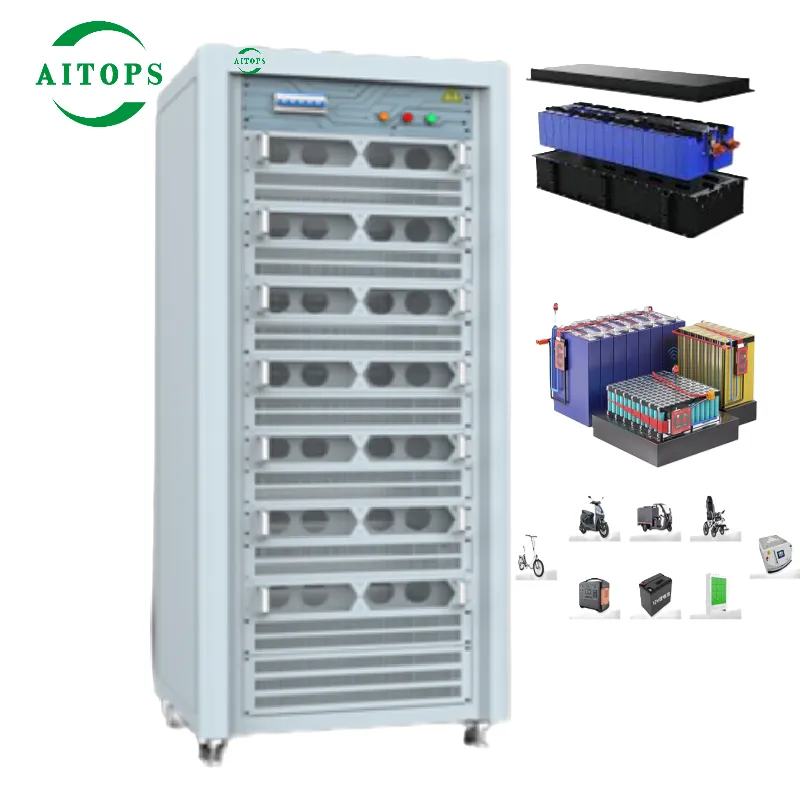
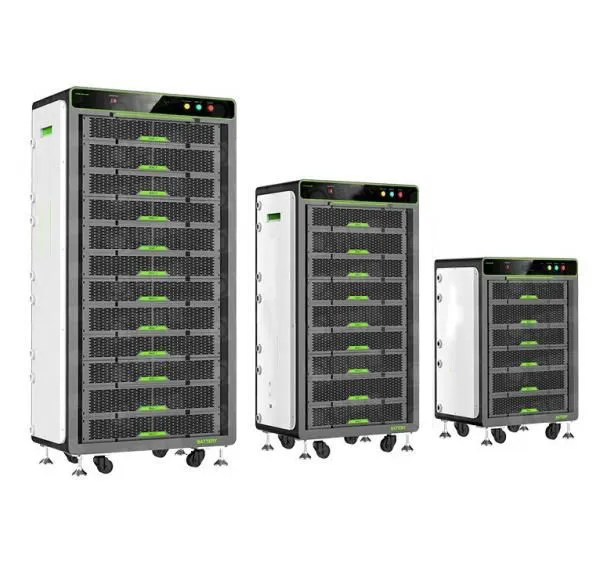
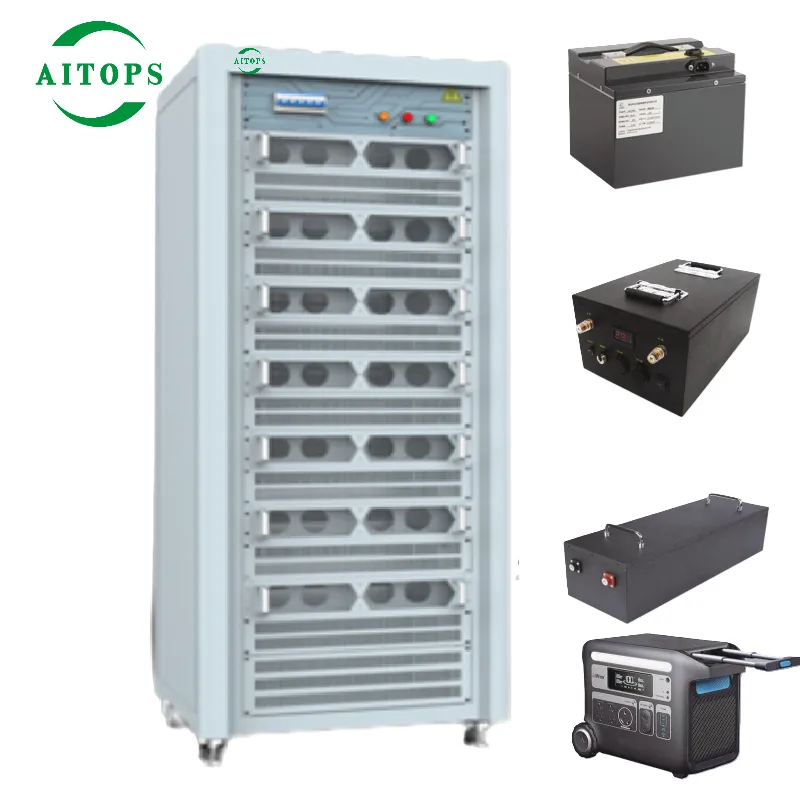 Advantages Power feedback to grid with direct current bus efficiency ≥90%: Both charging and discharging is energy-saving which saves a lot of electric power expenses and air-conditioner fees. CCCV charge: CC charge transfer to CV charge smoothly, without any impact, which can avoid the micro-shot circuit due to high temperature of peak current impact or to avoid PCB protection or second protection action caused by over-charging. Current and voltage sampling is of high stability and accuracy: this equipment applied 16bit bipolar ADC/DAC unit, to ensure voltage sampling high accuracy and long-term stability. User management includes authority management, role management and user management. Managers can set management permissions for each function module of the software, and set multiple user IDs according to the operator's permission requirements. DCIR: four DCIR test schemes are supported to meet different test requirements. Voltage clamp function: when battery does protect action through charging process, voltage clamp to pre-set voltage can protect battery or PCB from damage. The recording conditions can be set by sections in the test step, and the intelligent data management record can be implemented. Each channel has a built-in CAN and RS485 communication module to support BMS CAN communication function: collect the total voltage, total current, single cell voltage, temperature and other data of BMS system in real time, and make synchronous comparison with CDS voltage and current data. When setting BMS voltage, current, temperature and other data to a certain condition, the main channel steps will stop or convert, and the specific reading information will be provided by the customer. Support one click DBC import and manual customization of BMS protocol functions, and support sampling different BMS protocols for each channel. It supports user-defined signal sets. Users can customize the setting name according to their own needs and data recording requirements. Working Environment and Technical Parameters Power supply: AC 380V±10%, frequency: 50HZ±10%. Maximum input power of the whole cabinet: 44.4 kW (4CHS) Working temperature: 0℃ - 45℃. Humidity: less than ≤ 95%R.H (non-condensing). No severe shake, no corrosive gases, no flammable or explosive gases around. Resolution: AD 16 bit.
Recently Posted
-
Battery 18650 21700 26650 32650 32700 Lithium Ion Battery Pack Assembly Line welder tester
July 16, 2026Cylindrical Battery 18650 21700 26650 32650 32700 Lithium Ion Battery Pack Assembly LineCustomize 32140 33140 18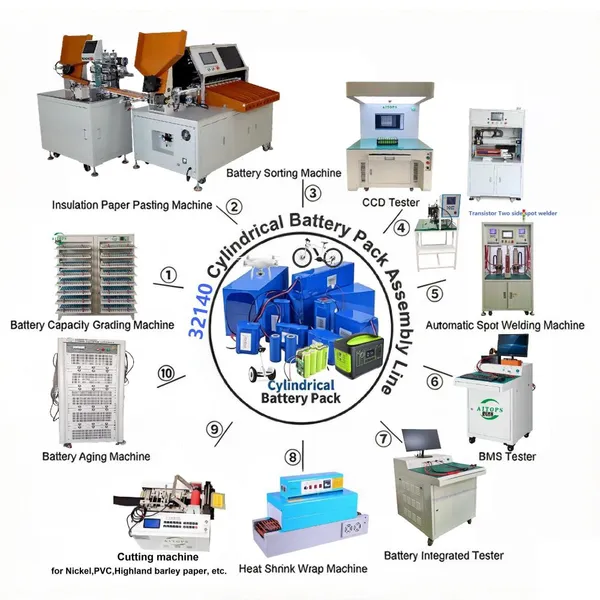 Read More
 -
Complete Energy Storage Battery Manufacturing Line With Cell Grading Laser Welding Tester
July 16, 2026AITOP Custom ESS Prismatic Lithium Battery Pack Module Full Assembly Production LineComplete Energy Storage Battery Manufacturing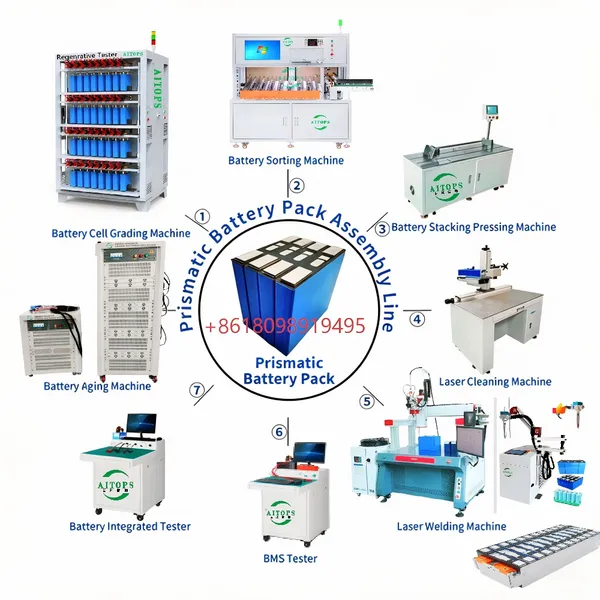 Read More
 -
AITOP Automatic Lithium-ion Battery Pack Assembly Line Civil | Tailored for E-Bike Lithium Battery
June 22, 2026Facing low automation efficiency, inconsistent battery testing accuracy and high manual labor costs in civil electric bike lithium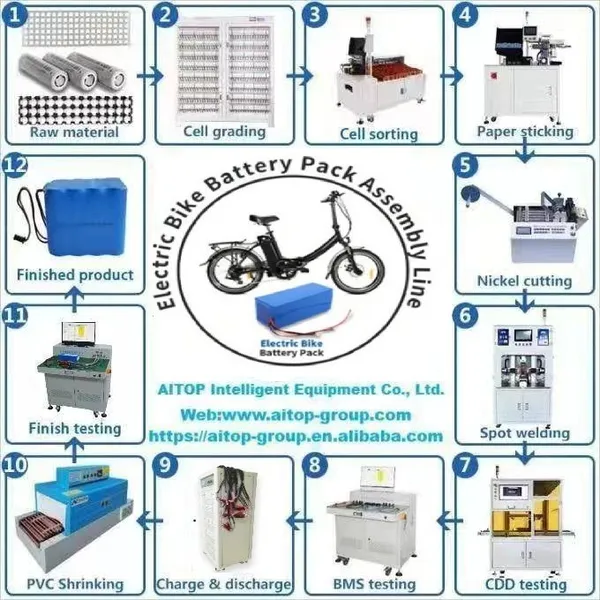 Read More
 -
A Beginner's Guide to Lithium Battery Spot Welders
June 6, 2026A Beginner's Guide to Lithium Battery Spot Welders vs. AC Spot Welders: Principles, Applications, and Performance Differences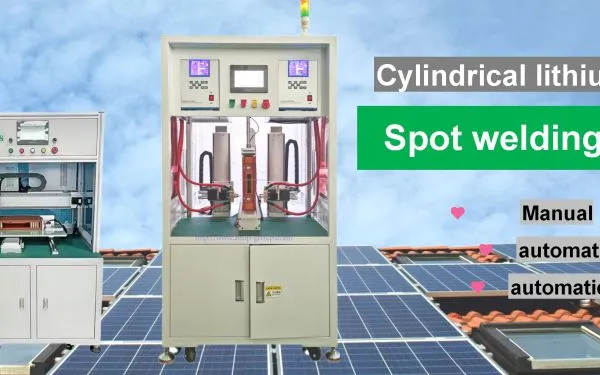 Read More

Contact Us
Recommended Products
-
 AITOP 32650/18650 32140 33140 Cylindrical Battery Pack Assembly EquipmentUS$ 10000 - 20000MOQ: 1 Piece
 -
AITOP Capacity Tester Cylindrical Battery 18650 21700 26650 32650 32700 Battery Pack MachineUS$ 10000 - 20000MOQ: 1 Piece
-
Energy Storage System ESS Battery Pack Battery Pack Assembly Line Battery Manufacturing Cell SorterUS$ 10000 - 100000MOQ: 1 Piece
-
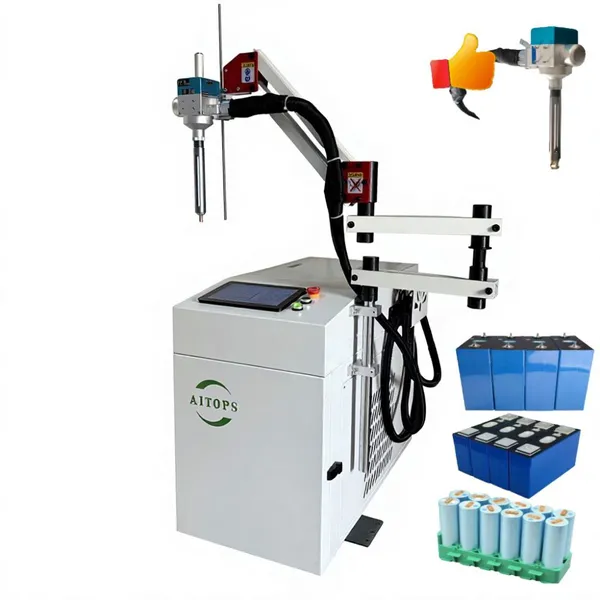
AITOP Handheld Laser Welder Battery Laser Welding & Laser Cleaning for Cylindrical & Prismatic CellsUS$ 3000 - 5800MOQ: 1 Set
-
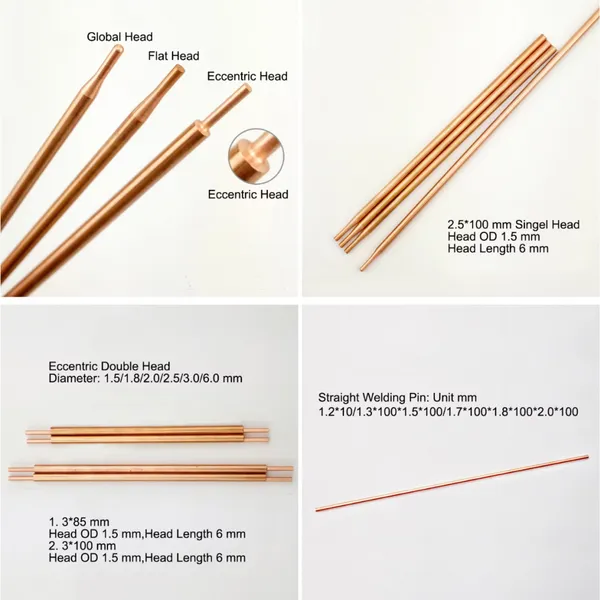
Aluminum Oxide Copper Spot Welder Needle Welder Pin Electrodes For Battery Welding MachinesUS$ 3 - 7MOQ: 1 Set
-
AITOP Full-Automatic ESS Battery Pack Production Line: Engineered for Energy Storage ExcellenceUS$ 30000 - 325500MOQ: 1 Piece
-
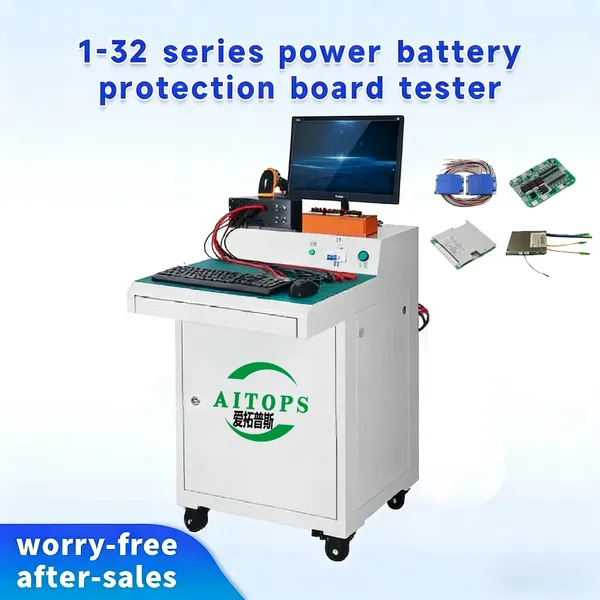
High Accuracy 1-24 Series BMS PCB Board Testing Machine for Battery Pack AssemblyUS$ 30000 - 50000MOQ: 1 Piece
-
32650 /26650/18650/21700 Battery Cell Sorting Machine/ 10 Channels Sorting Machine 32140 CELLS HIOKI TESTER HIOKI3562 SCANNER KEYENCEUS$ 1 - 10000MOQ: 1 Piece
-
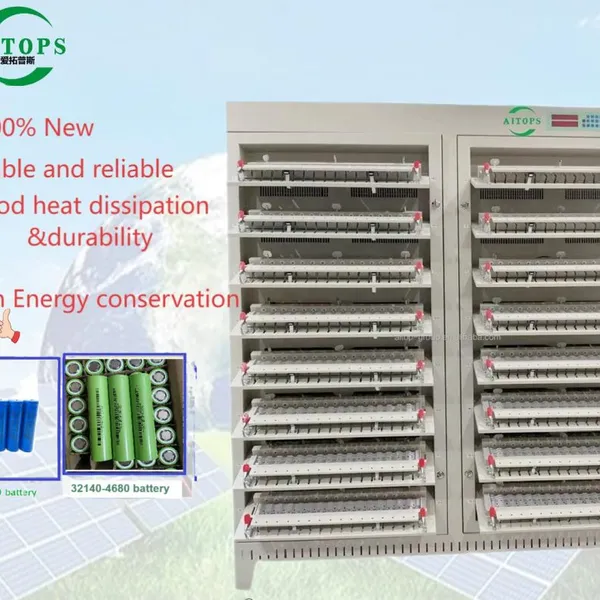
AITOP 21700 Capacity Tester C512 Channels Grading 32140 /18650 Battery charging & Discharging AnalyzerUS$ 3000 - 5000MOQ: 1 Piece
-
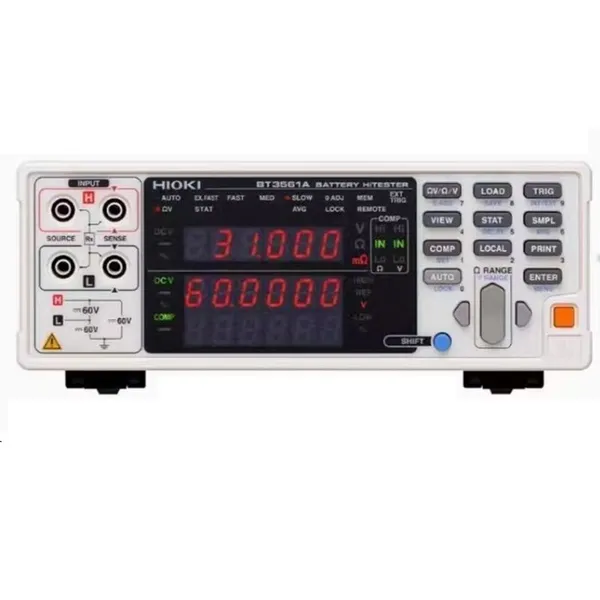
AITOP Battery HiTester Small Packs of up to 60 V 30 MΩ/300 MΩ/3 Ω/30 Ω/300 Ω/3 kΩ Hioki BT3561A TesterUS$ 900 - 3500MOQ: 1 Piece
-
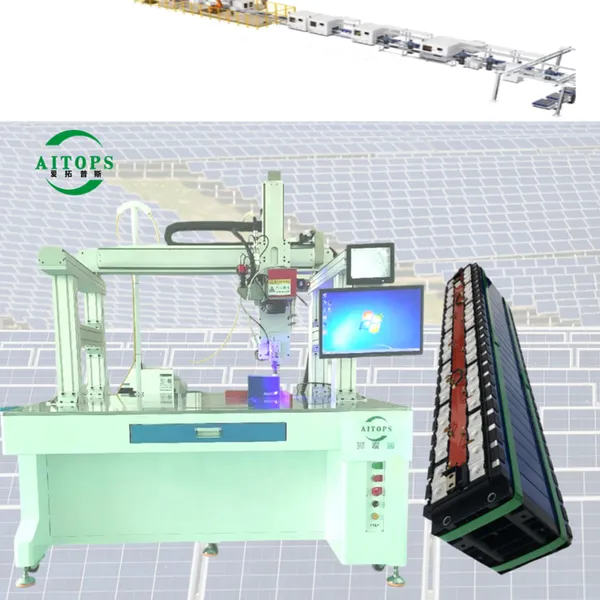
Automatic Cylindrical Cell 18650 / 21700 Battery Pack Welding Machine Assembly LinesUS$ 9000 - 15000MOQ: 1 Piece
-
BMS Tester 10S/16S/20S/1-24S/32S 48s Ebike Lithium Battery Pack Protective Plate 1-24 Series BMS PCB Tester Testing System BMS TesterUS$ 39000 - 50000MOQ: 1 Piece
-
Automatic Battery Pack/Ultrasonic Aluminum Spot Welder/ Wire Pressure Welder/18650 21700 Lithium Batteries/Wire Bonding MachineUS$ 39000 - 55000MOQ: 1 Set
-
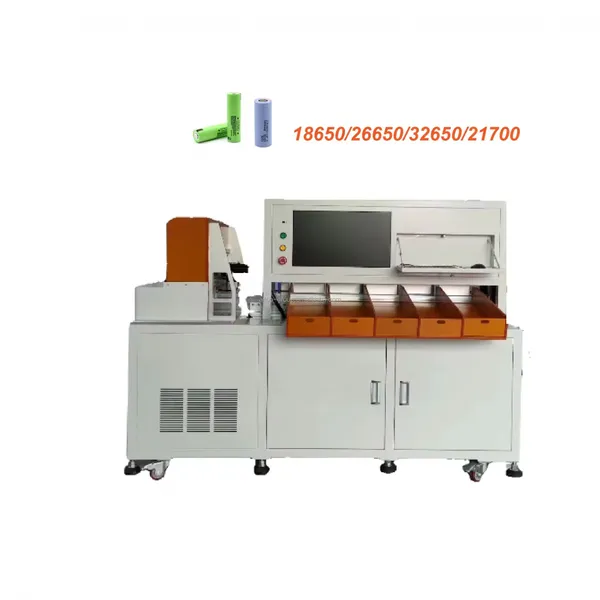
5 Channels Cylindrical Battery Automatic Sorting Machine for 18650,21700, 26650, 32650US$ 19000 - 21000MOQ: 1 Piece
-
AITOP Single & Double Side Spot Welding 18650,26650,32650 Motorbike Battery Pack Automatic Spot WelderUS$ 3000 - 105000MOQ: 1 Set
-
Prismatic Cell Sorting Machine 6ch 8ch 10ch Channel Lithium Cell Sorter Grading Machine Battery Sorting SystemUS$ 4000 - 20000MOQ: 1 Piece
-
Aitop Cell Tester Energy Saving 5V 60A 64CH Prismatic, Pouch & Cylindrical With Cycle TestingUS$ 9900 - 100000MOQ: 1 Piece
-
5 CHANNEL CYLINDRICAL BATTERY UNIVERSAL SORTING MACHINE for 18650,21700, 26650, 32650US$ 2600 - 3000MOQ: 1 Piece
-
AITOP 512 Channels 5v 3a 5a 6a 10a Lithium Cylindrical Battery Capacity Tester For Industrial Machinery & Battery Production LineUS$ 2000 - 10000MOQ: 1 Piece
-
Energy Regeneration 5v3a 5a 6a10a 512 Channel Battery Fast Fixture Stable Reliable Capacity Tester Feedback Type for 33140 32140 40135NegotiableMOQ: 1 Piece